

5 Of The Best Daily Productivity Planners - For Less Stress, More Structure
Productivity doesn’t have to mean filling every hour of the day or pushing yourself to do more. Often, it’s about creating a sense of clarity; reducing mental clutter, organising priorities, and making steady progress in a way that feels manageable. The right planner can help turn scattered thoughts into structure, offering a place to map out goals, routines, and everyday tasks without adding pressure.
The best designs go beyond to-do lists alone; they encourage intention, balance, and a more enjoyable approach to planning. We’ve curated five standout productivity planners that help bring more ease into your routine - supporting progress, reducing stress, and making everyday organisation feel calmer.

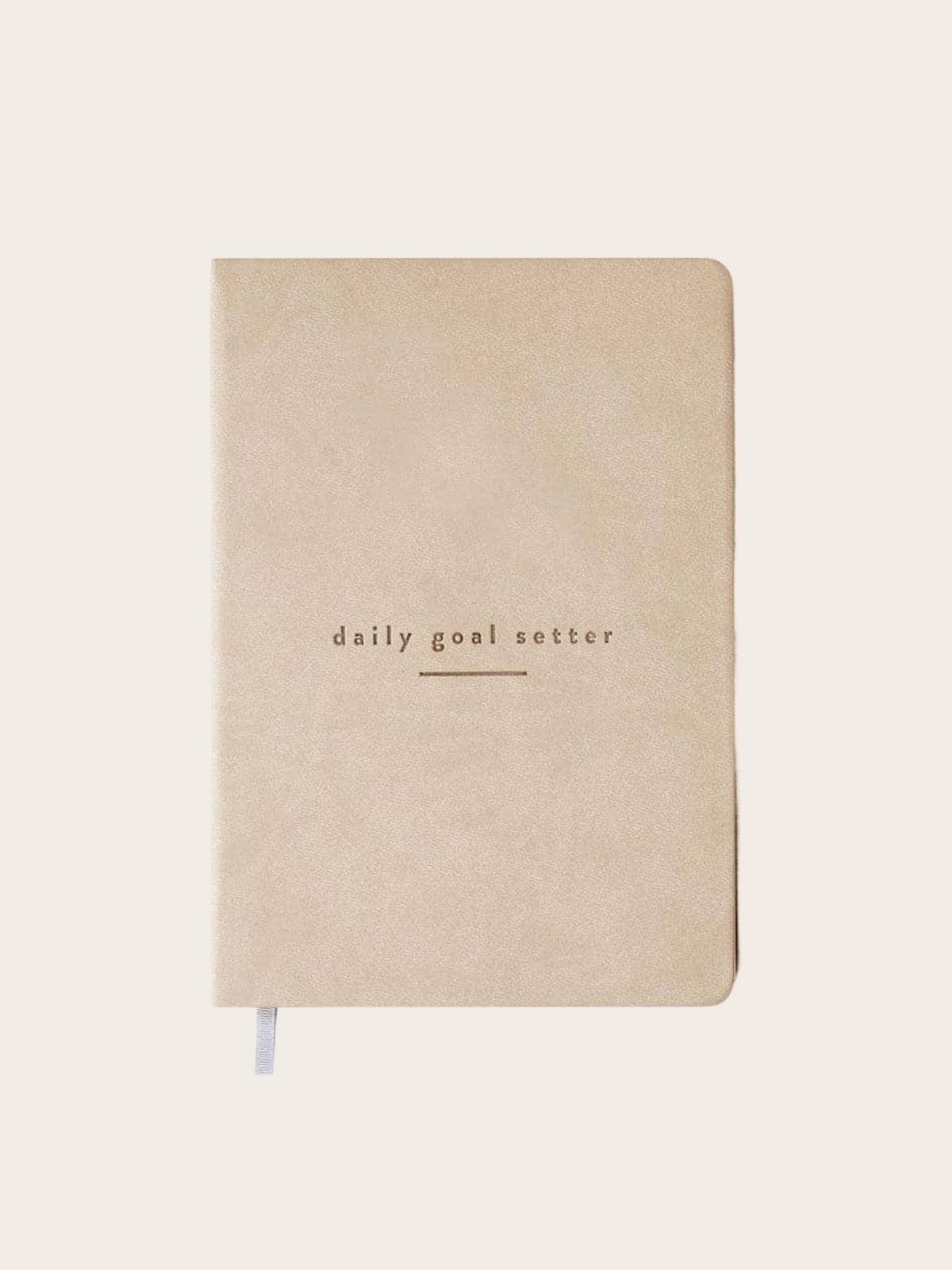
Daily Goal Setter Planner
Mål Paper approaches productivity through intentional goal setting rather than endless task lists. The Daily Goal Setter Planner is designed around breaking larger ambitions into smaller, manageable actions, helping progress feel less overwhelming and more achievable. The sleek cover gives it a refined, minimalist feel, while guided prompts encourage focus on priorities rather than trying to do everything at once. It feels structured, but never rigid.
Best for: Big-picture thinkers who want more focus and less mental clutter.


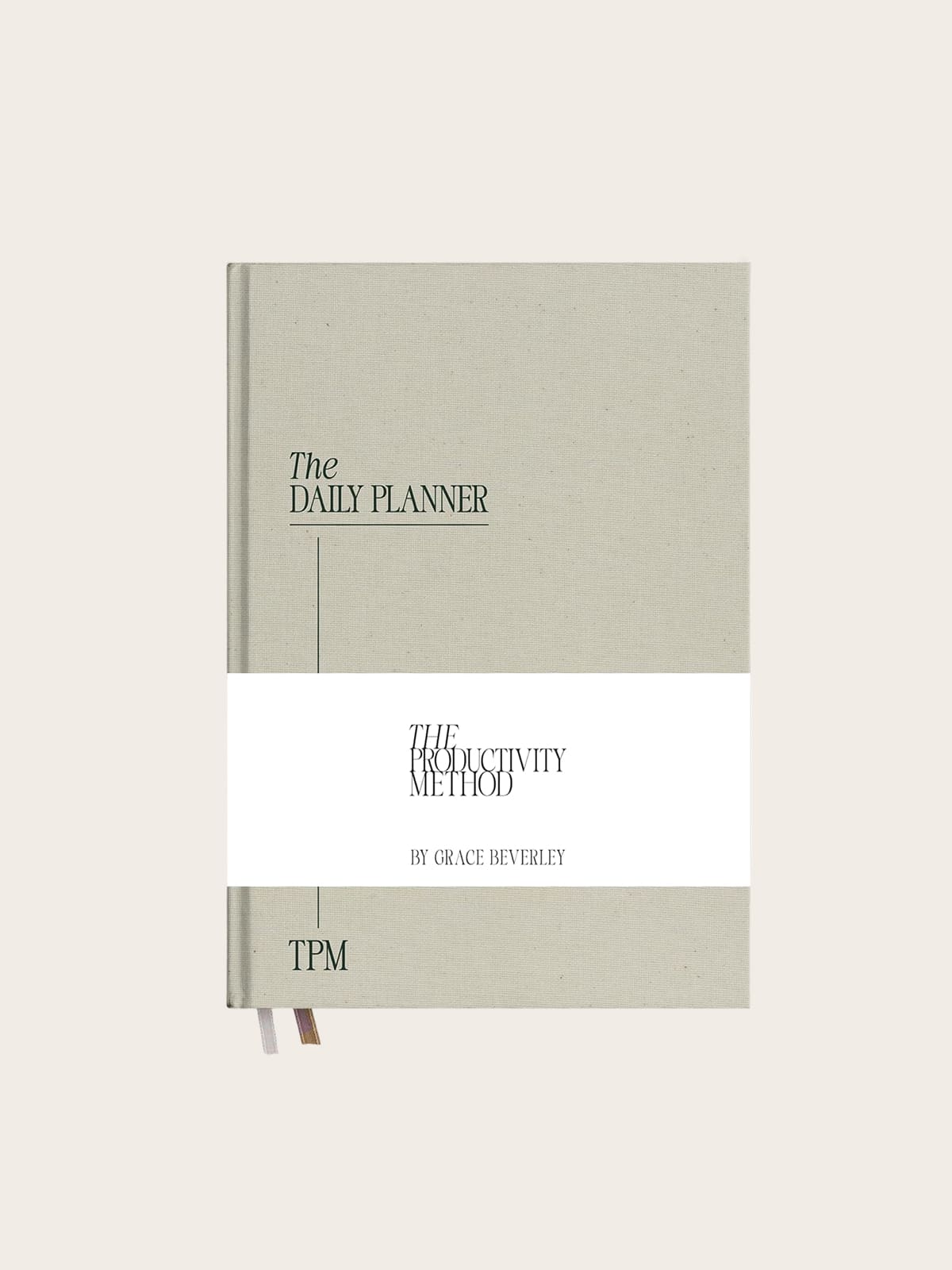
The Daily Planner
Created around productivity systems and mindful planning, this planner by The Productivity Method is designed to help you work with your energy rather than against it. The neutral colour palette creates a calmer visual experience, while sections for priorities, scheduling, and reflection help reduce the chaos of juggling multiple responsibilities. Instead of encouraging constant hustle, it creates space for realistic progress and better balance throughout the day.
Best for: Structured planning that still feels calm and manageable.
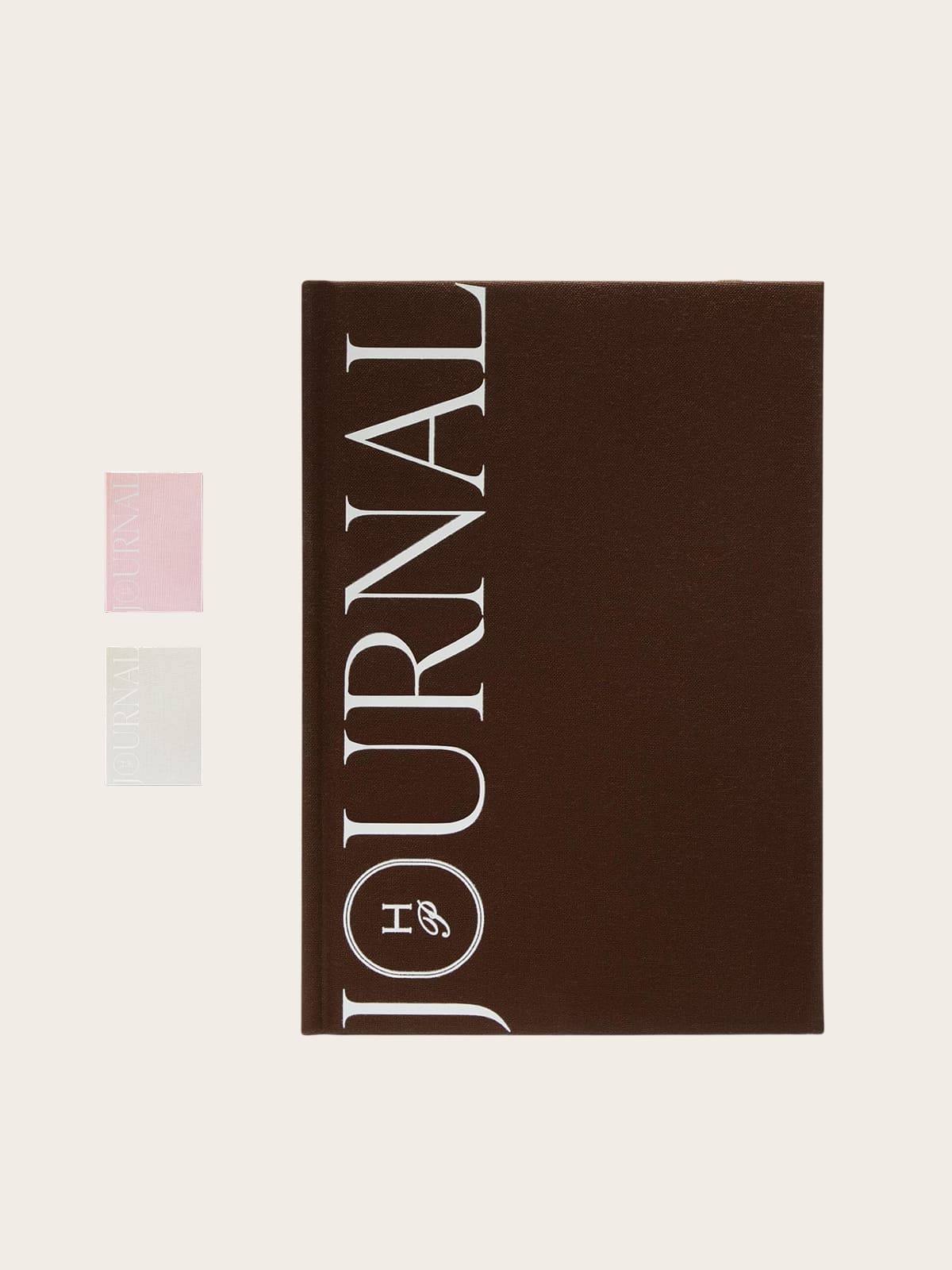
Productivity & Wellness Journal
The Head Plan takes a more holistic approach, combining productivity with emotional wellbeing. Rather than focusing solely on output, the Wellness Journal includes prompts around mindset, gratitude, habits, and self-reflection; helping you check in with yourself alongside your goals. The softer approach makes productivity feel more supportive and sustainable, particularly during periods where stress levels already feel high.
Best for: Anyone wanting productivity with equal attention to wellbeing and mental clarity.
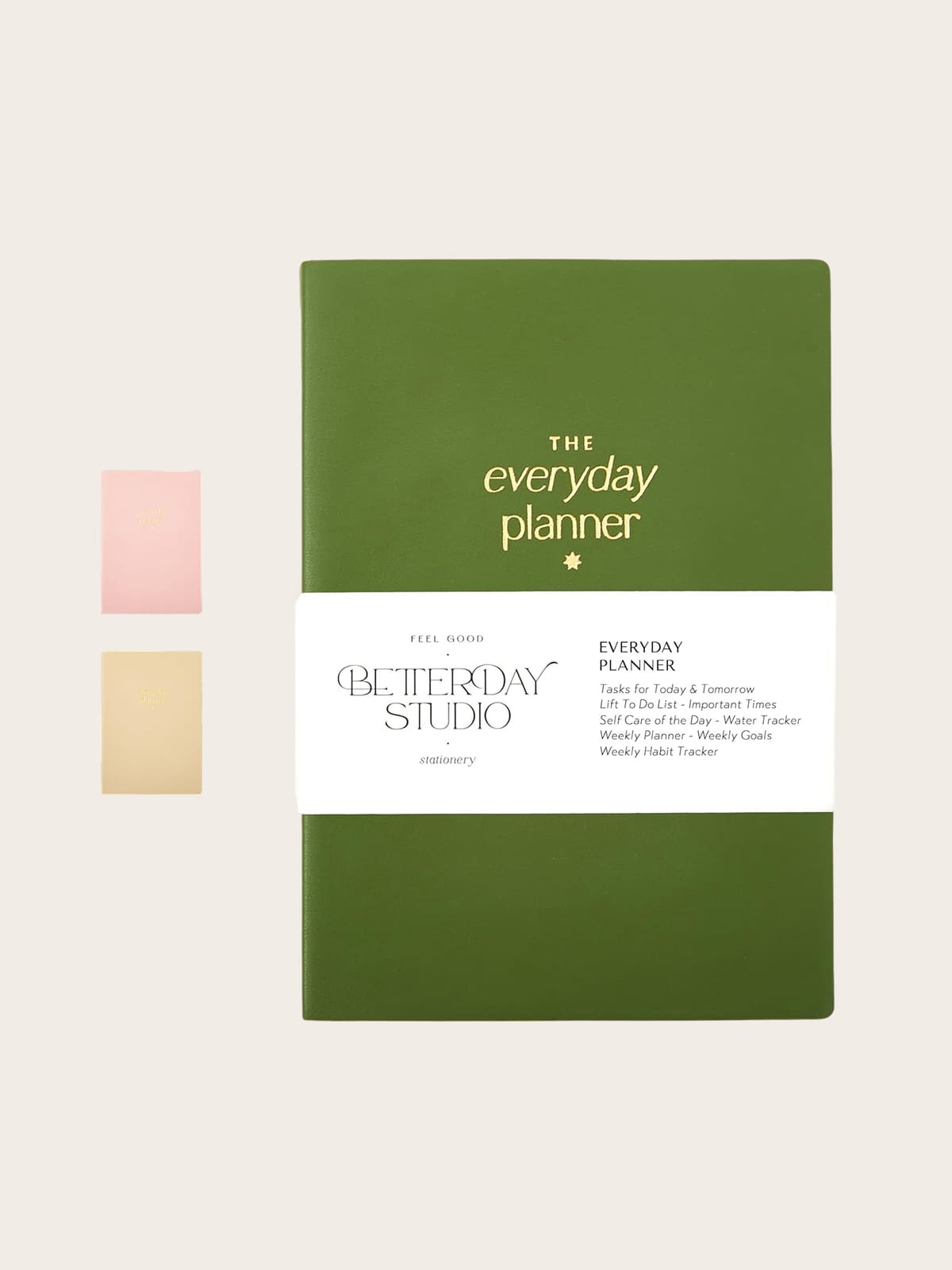
The Everyday Planner
Better Day Studio leans into flexibility, recognising that life rarely fits neatly into perfectly planned boxes. The Everyday Planner combines daily and weekly layouts so you can zoom out for bigger priorities while still managing everyday tasks. The thoughtful design and softer aesthetic feel inviting rather than intimidating, making organisation feel less like work and more like a helpful daily ritual.
Best for: Flexible planners who like seeing both the bigger picture and daily priorities.
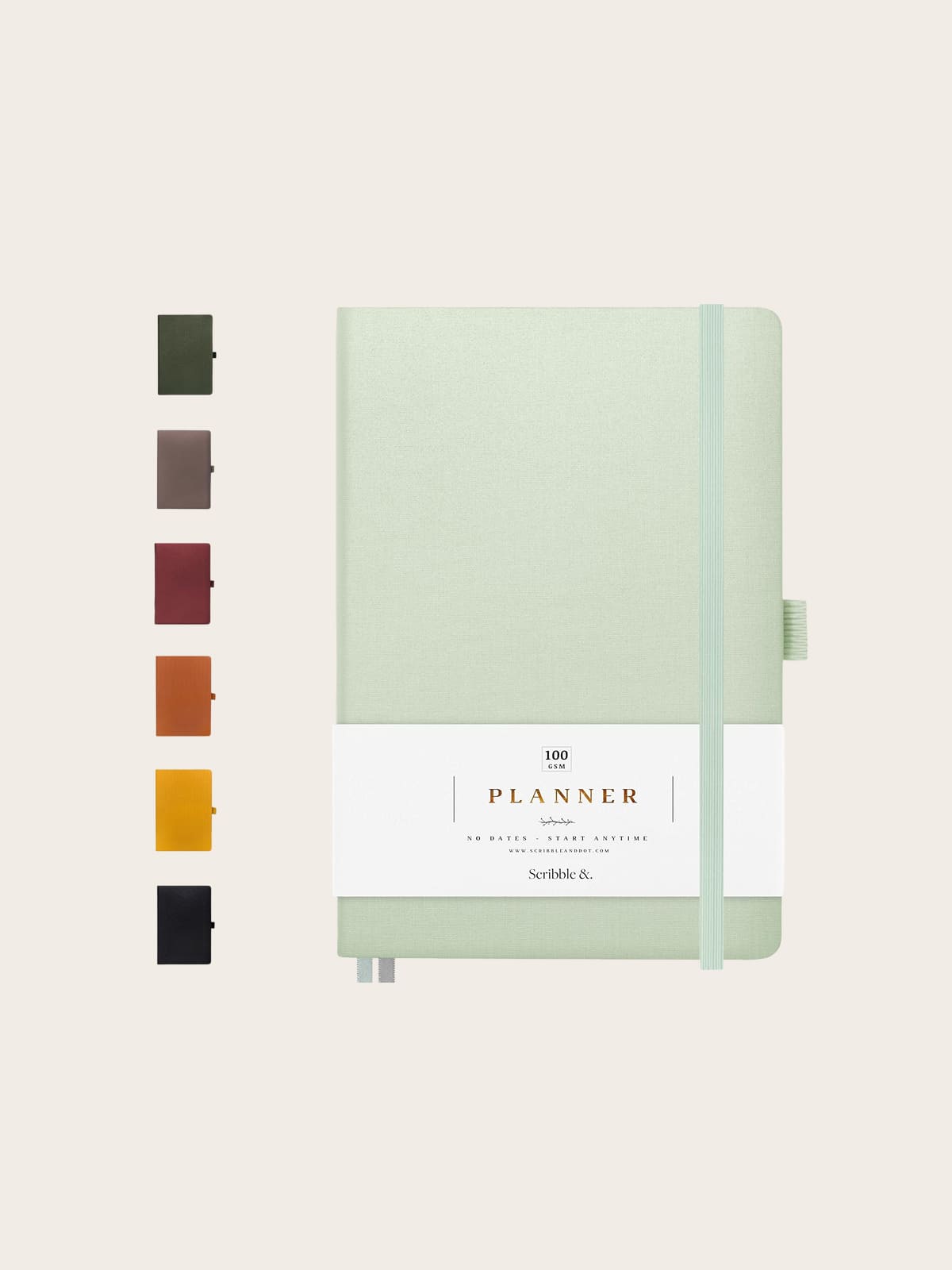
Scribble & Dot Daily Planner
Scribble & Dot brings a lighter, more creative feel to productivity. The calming Sea Sage cover adds a softer touch, while the planner itself focuses on helping users prioritise tasks without overcrowding the page. Its clean layouts avoid the pressure of overplanning and encourage a more realistic pace, making everyday productivity feel simpler and more enjoyable.
Best for: Gentle organisation with a calmer, less overwhelming feel.
Tips for Getting the Most Out of Your Productivity Planner
• Start with priorities: Instead of filling every section immediately, choose two or three key tasks for the day; focusing on what truly matters helps reduce mental clutter and keeps progress feeling manageable.
• Break bigger goals down: Large projects can quickly feel overwhelming, so turn them into smaller actions with realistic timeframes. Small, consistent steps often feel lighter and create more sustainable momentum.
• Schedule breathing room: Avoid planning every hour of your day - leave space for unexpected tasks, breaks, or slower moments; flexibility often reduces stress more than rigid structure.
• Include personal wins: Productivity isn’t only about work; add habits, wellbeing goals, or simple moments of joy alongside your task list to create a more balanced routine.
• Reflect, don’t judge: At the end of the day or week, check in with what worked and what didn’t; use it as guidance rather than pressure, making planning feel supportive rather than demanding.
Final Thoughts
Productivity feels very different when it’s built around clarity rather than pressure. The right planner doesn’t just organise your schedule; it creates space to prioritise what matters, reduce mental clutter, and turn overwhelming tasks into manageable steps. Whether you prefer structured goal-setting, reflective journaling, or a more flexible daily layout, each planner in this edit is designed to support progress in a way that feels sustainable and enjoyable. Small actions, repeated consistently, often create the biggest shifts over time.
Faya Tip: Use your planner as a guide, not a rulebook - focus on progress over perfection, leave room for flexibility, and create routines that feel supportive rather than demanding.
Mål Paper approaches productivity through intentional goal setting rather than endless task lists. The Daily Goal Setter Planner is designed around breaking larger ambitions into smaller, manageable actions, helping progress feel less overwhelming and more achievable. The sleek cover gives it a refined, minimalist feel, while guided prompts encourage focus on priorities rather than trying to do everything at once. It feels structured, but never rigid.
Best for: Big-picture thinkers who want more focus and less mental clutter.
Created around productivity systems and mindful planning, this planner by The Productivity Method is designed to help you work with your energy rather than against it. The neutral colour palette creates a calmer visual experience, while sections for priorities, scheduling, and reflection help reduce the chaos of juggling multiple responsibilities. Instead of encouraging constant hustle, it creates space for realistic progress and better balance throughout the day.
Best for: Structured planning that still feels calm and manageable.
The Head Plan takes a more holistic approach, combining productivity with emotional wellbeing. Rather than focusing solely on output, the Wellness Journal includes prompts around mindset, gratitude, habits, and self-reflection; helping you check in with yourself alongside your goals. The softer approach makes productivity feel more supportive and sustainable, particularly during periods where stress levels already feel high.
Best for: Anyone wanting productivity with equal attention to wellbeing and mental clarity.
Better Day Studio leans into flexibility, recognising that life rarely fits neatly into perfectly planned boxes. The Everyday Planner combines daily and weekly layouts so you can zoom out for bigger priorities while still managing everyday tasks. The thoughtful design and softer aesthetic feel inviting rather than intimidating, making organisation feel less like work and more like a helpful daily ritual.
Best for: Flexible planners who like seeing both the bigger picture and daily priorities.
Scribble & Dot brings a lighter, more creative feel to productivity. The calming Sea Sage cover adds a softer touch, while the planner itself focuses on helping users prioritise tasks without overcrowding the page. Its clean layouts avoid the pressure of overplanning and encourage a more realistic pace, making everyday productivity feel simpler and more enjoyable.
Best for: Gentle organisation with a calmer, less overwhelming feel.
Tips for Getting the Most Out of Your Productivity Planner
• Start with priorities: Instead of filling every section immediately, choose two or three key tasks for the day; focusing on what truly matters helps reduce mental clutter and keeps progress feeling manageable.
• Break bigger goals down: Large projects can quickly feel overwhelming, so turn them into smaller actions with realistic timeframes. Small, consistent steps often feel lighter and create more sustainable momentum.
• Schedule breathing room: Avoid planning every hour of your day - leave space for unexpected tasks, breaks, or slower moments; flexibility often reduces stress more than rigid structure.
• Include personal wins: Productivity isn’t only about work; add habits, wellbeing goals, or simple moments of joy alongside your task list to create a more balanced routine.
• Reflect, don’t judge: At the end of the day or week, check in with what worked and what didn’t; use it as guidance rather than pressure, making planning feel supportive rather than demanding.
Final Thoughts
Productivity feels very different when it’s built around clarity rather than pressure. The right planner doesn’t just organise your schedule; it creates space to prioritise what matters, reduce mental clutter, and turn overwhelming tasks into manageable steps. Whether you prefer structured goal-setting, reflective journaling, or a more flexible daily layout, each planner in this edit is designed to support progress in a way that feels sustainable and enjoyable. Small actions, repeated consistently, often create the biggest shifts over time.
Faya Tip: Use your planner as a guide, not a rulebook - focus on progress over perfection, leave room for flexibility, and create routines that feel supportive rather than demanding.

The Ultimate Holiday Essentials List For Effortless Travel

5 Of The Best Natural Aromatherapy Candles For A Calmer, Lighter Mood

A Simple Way To Start A Gratitude Journal (In Just 5 Minutes)
FAQ
A productivity planner is designed to do more than organise appointments. Alongside schedules and to-do lists, many include sections for priorities, goal-setting, reflection, habits, and wellbeing - helping you create structure while staying focused on what matters most.
Yes - a good planner can help reduce mental clutter by giving your thoughts, tasks, and goals a clear place to live. Breaking larger priorities into smaller actions often makes daily life feel more manageable and less overwhelming.
It depends on how you like to organise your life. Daily planners work well for detailed structure, weekly layouts help with bigger-picture planning, and goal-setting planners are useful if you're focused on long-term progress and priorities.
Start small - focus on two or three priorities rather than filling every page. Leave space for flexibility and use your planner as a guide rather than a strict rulebook; structure works best when it feels supportive.
Not at all. Many people use planners to organise personal goals, wellbeing habits, fitness routines, finances, journaling, or everyday life tasks. The most effective planning systems create balance across different areas of life.
Look for a format that fits your lifestyle and planning style. Some people prefer detailed layouts with schedules and prompts, while others work better with simpler designs and more flexibility. A planner should feel easy to return to consistently.
More from
Lifestyle
The Ultimate Holiday Essentials List For Effortless Travel
5 Of The Best Natural Aromatherapy Candles For A Calmer, Lighter Mood
A Simple Way To Start A Gratitude Journal (In Just 5 Minutes)

Slow The Scroll: How To Reset Your Relationship With Social Media

6 Of The Best Self-Care Rituals You Can Do At Home

5 Mindset Shifts To Make Life Feel Lighter

Detoxing Your Life: How To Live More With Less

Rituals, Not Routines: Finding Calm in What You Already Do

The Rise of Quiet Success – The Softer Way to Achieve
The Myth of Having It All (And What Actually Feels Better)
.webp)
6 Clean Travel Products for the Ultimate In-Flight Revival


